Poster title
Safety of Thread-Embedding Acupuncture : A Multicenter, Prospective, Observational Pilot Study
Presentation summary
Introduction :
Thread-embedding acupuncture (TEA) is widely used for cosmetic and therapeutic purposes;however, its safety profile, particularly in real-world clinical settings, remains under-researched. This studyaimed to evaluate the safety profile of TEA through a prospective, observational analysis and confirm thefeasibility of the study design for future studies involving larger patient populations.
Methods :
A multicenter, prospective observational study was conducted involving 100 patients who receivedTEA. Adverse events (AEs) were tracked, including incidence, severity, and duration during the 6-month post-treatment period. Bivariate analysis was used to assess factors influencing AE occurrence, including treatmentsite, depth, and patient-specific variables.
Results :
A total of 100 patients received 136 treatments during the study period. A total of 12 AEs werereported, most of which were mild and transient local reactions, including pain and bruising. More than half ofthe AEs occurred on the day of the procedure, with an average duration of 7 days. No serious AEs wereobserved, and all events resolved without any lasting effects. Patients undergoing multiple treatments showedno significantly higher AE rates than those receiving a single session.
Conclusions :
This study suggested that TEA generally has a favorable safety profile, with most AEs being mild and resolving without long-term effects. Further studies that evaluate the safety of TEA treatment across largerpopulations are recommended.
* This research was supported by a grant of the Korea Health Technology R&D Project through the KoreaHealth Industry Development Institute (KHIDI), funded by the Ministry of Health & Welfare, Republic of Korea(RS-2021-KH109727).
Conflict of interest
No
jkim274@mgh.harvard.edu
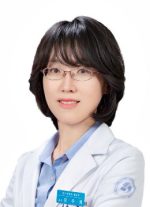
Dr. Joo-Hee Kim is a professor at Sangji University, South Korea and currently visiting scientist at Massachusetts General Hospital, Harvard Medical School, USA.
She received her MD and PhD from KyungHee National University College of Korean Medicine.
Her research focuses on investigating the clinical effectiveness and safety of therapeutic interventions for treating various neurological disorders including facialnerve palsy, elucidating its mechanism to find the optimal treatment regimen.